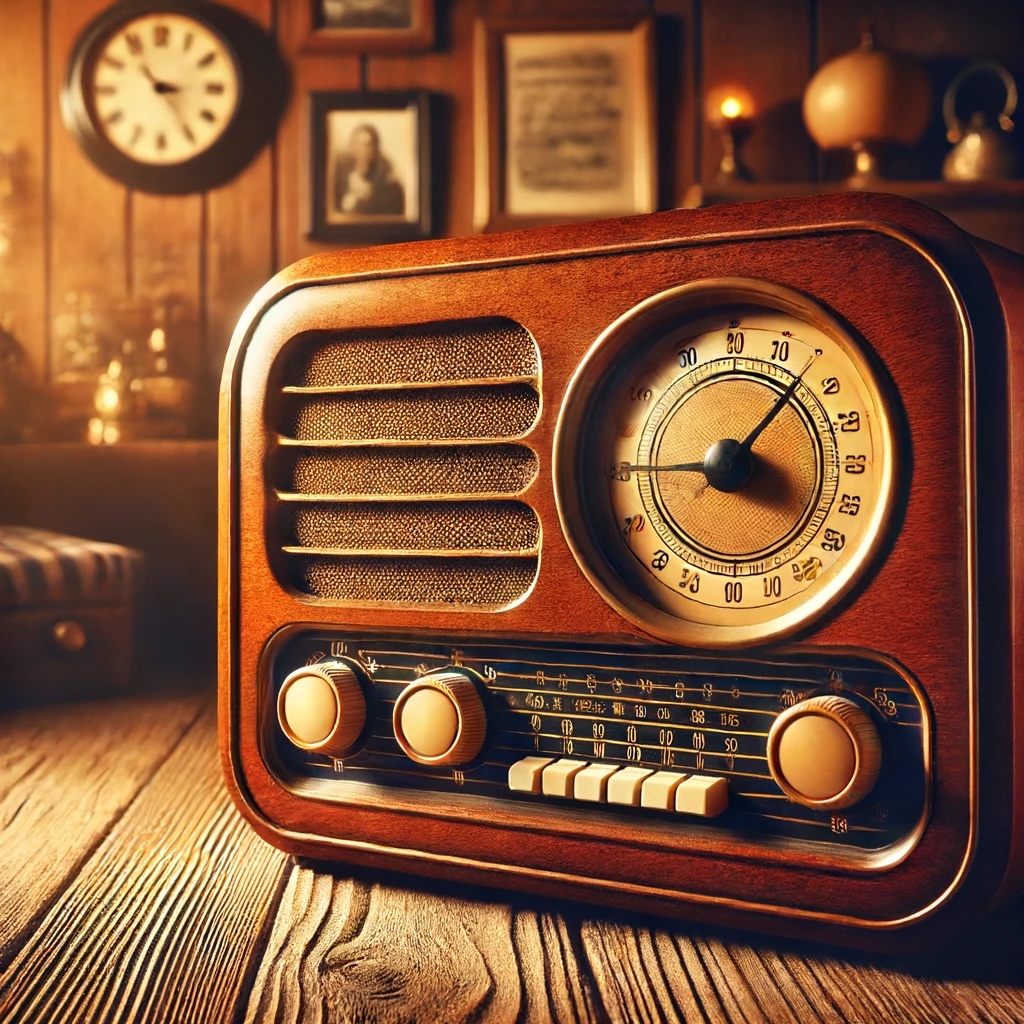
Radio has come a long way since its inception in the early 20th century. Starting with AM broadcasts, which brought news and entertainment to households worldwide, radio quickly became a staple of daily life. The 1950s saw the rise of FM radio, offering better sound quality and more music-focused content. This era gave birth to the classic radio DJ, spinning vinyl records and engaging listeners with their charismatic personalities. As technology advanced, so did radio. The 1980s and 1990s introduced digital radio, providing even clearer sound and more station options. The real game-changer, however, has been the advent of the internet and streaming services. Today, platforms like Spotify, Apple Music, and Pandora have transformed how we consume audio content. Radio stations have adapted by offering online streaming, podcasts, and on-demand content, making it easier than ever for listeners to tune in anytime, anywhere. Despite these changes, the core essence of radio remains – a medium that connects people through music, news, and stories. As we look to the future, radio continues to evolve, embracing new technologies while maintaining its unique charm and ability to bring communities together.
Leave a Reply